
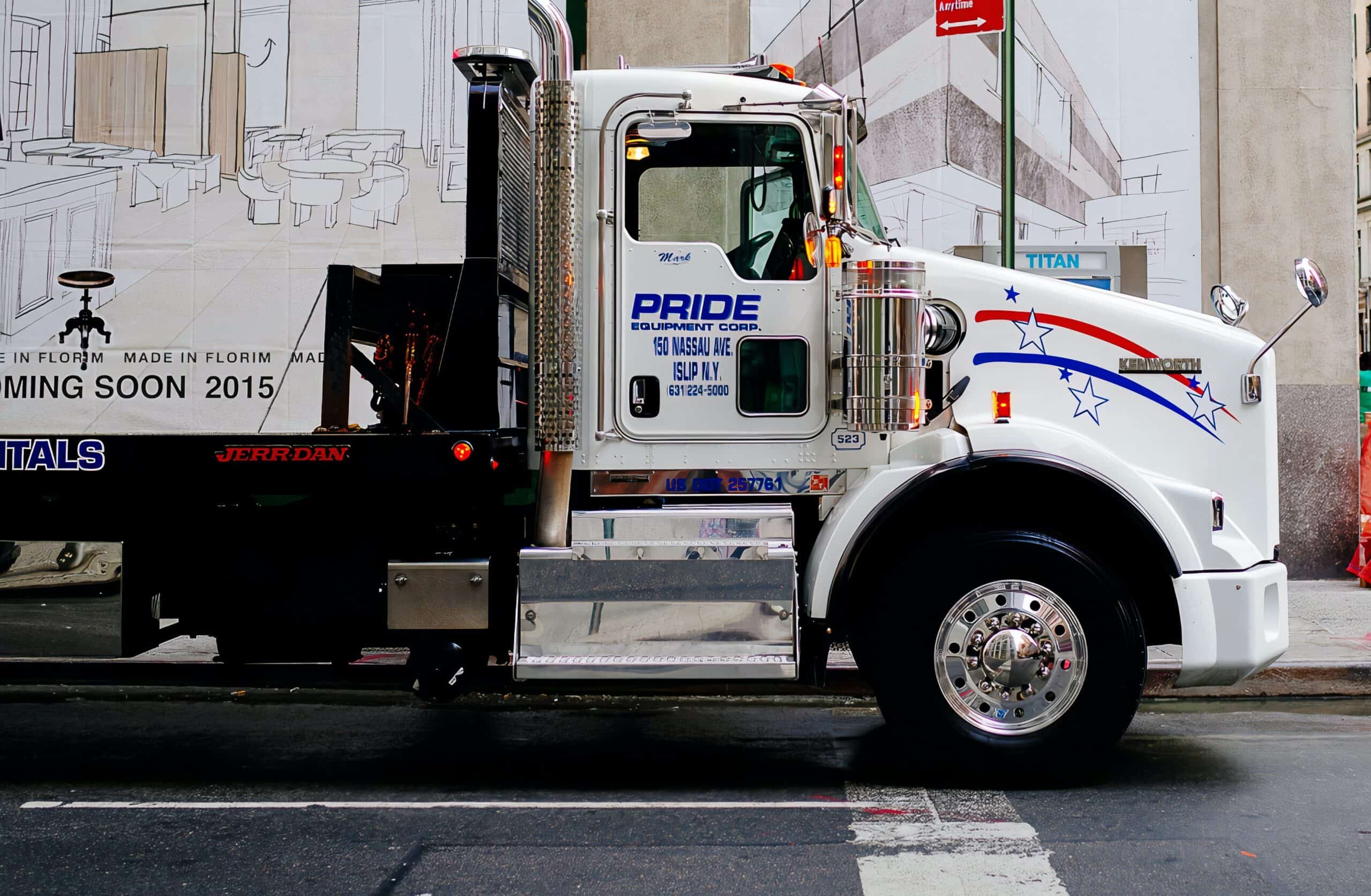

Though a freight brokerage and trucking company may seem similar, the skills and resources required are very different. Any freight broker thinking about expanding into trucking must weigh the skills requirements, expenses, and the pros and cons of buying a fleet of commercial vehicles before investing. In short, freight brokers can and often do own their trucks, but risks exist.
How Do Freight Brokers Work?
A freight broker brings shippers and carriers together, enablomg communication between clients looking for cargo transport and carriers with spare capacity. Freight brokers never take custody of the freight themselves. Instead, they facilitate the pickup and safe and timely delivery of goods.
Shippers like working with brokers because they deal with a single organization instead of having to negotiate services with individual carriers. Carriers are also happy because brokers help them to optimize their routes, fill their trucks and allow them to maximize profits without dead miles.

How Does a Freight Broker Make Money?
The broker has contact with a network of carriers and will negotiate prices, plan routes and track the freight. They make their money on the difference between what they charge the customer and how much they pay the carrier. Brokers earn between 3% and 8% of the cost of transport per load, and everybody in the supply chain gains from transport and administration efficiencies.
How Do Freight Brokers Find Loads?
A good freight broker will develop a network of businesses looking to transport goods. They use typical marketing techniques like referrals, online canvassing, calling, and mailers to grow these networks.
How Long Do Freight Brokers Take To Pay?
Most brokers give their customers extended payment terms of between 30 and 60 days. These payment terms could present cash flow problems when they pay the carrier. The larger freight brokers may have sufficient cash to pay the carrier immediately. Other brokers sell their invoice books to factoring companies that usually also immediately pay the carrier. How long it takes the freight broker to pay the carrier will depend on the payment terms agreed upon when negotiating prices.
Things For Freight Brokers To Consider
Starting your own trucking company as a freight broker is no small feat, and there are many factors to consider, not least acquiring the necessary resources.
How To Purchase Trucks as a Freight Broker
Before you start buying trucks for your fleet, you must decide how many and what types of trucks you want to buy for your trucking company. Do your research. Depending on how many trucks you plan to buy, it may be less expensive for you to buy directly from the manufacturer.
Speak to a financial advisor to understand the available financing and lease agreement options. Even small savings on interest can make a big difference over the term of the deal. After you have negotiated the best financial deal and bought your fleet, you’ll have to register the vehicles and insure them.
How Can Freight Brokers Find In-House Drivers?
Every truck needs a driver, so you will have to recruit qualified drivers with the relevant licenses to drive your trucks. Good employees are the key to the success of your company. Your drivers are the face of your business, dealing with your clients on either end of the route. You must ensure that you offer your drivers a competitive salary and market-related perks, or you won’t retain good staff. Depending on the size of your company, you may also have to employ managers, admin staff, and more.
How to Maintain Freight Trucks
An effective fleet maintenance plan is a must for every owner operator. Preventative maintenance is the only way to keep your trucks running reliably and fuel-efficiently. As an owner operator, you will have to anticipate and provide for the fleet maintenance costs to avoid unexpected expenses that could affect cash flow.
Advantages of Freight Brokers Owning Trucks
Freight brokers that own trucks enjoy several advantages. These include
- More logistics control – As an owner operator, you have more control over when your trucks leave and arrive at their destination
- Able to take business for your trucks or carrier trucks – As a truck owner, you can take the freight you want on the more profitable routes. While as a freight broker, you can fulfill the needs of your customers even when your trucks are full
- Can maximize profits and maintain customer relationships – It may be necessary to accept less expensive loads to maintain good customer relationships. A freight brokerage can allocate this work to carriers willing to take it rather than burdening their own trucking company with less profitable loads.
Disadvantages of Freight Brokers Owning Trucks
Many freight brokers prefer to attend to the complexities of freight brokerage rather than deal with the disadvantages of expanding into trucking. We’ve listed some of the disadvantages of expansion below:
- Splitting the Business Focus – The skills required to operate a trucking company and freight brokerage are very different. Some freight brokers prefer to focus their attention rather than splitting their resources across two dissimilar businesses.
- The Cost of Owning and Operating Trucking Assets – Even running a single commercial vehicle costs tens of thousands of dollars each year. The capital outlay and operating expenses needed to finance a trucking company are significant.
- Separate customer service – Though the businesses may seem similar, freight brokerage and management of a trucking company require a completely different set of skills and resources. Expanding into trucking could result in failed customer service and lost business.
Consider Expanding Your Freight Brokerage
Investing in a trucking company is a great way to expand your freight brokerage. Owning freight assets will allow you to maximize margins from the more profitable routes. However, you should carefully consider the extensive capital outlay and increased operating costs. You may have to evaluate fuel costs, licensing, hiring of in-house drivers, and applying for insurance, among other factors. You would have full control of your load delivery but use up more cash flow from your business.